How Do You Know the Organizational Structure of Your Hospital
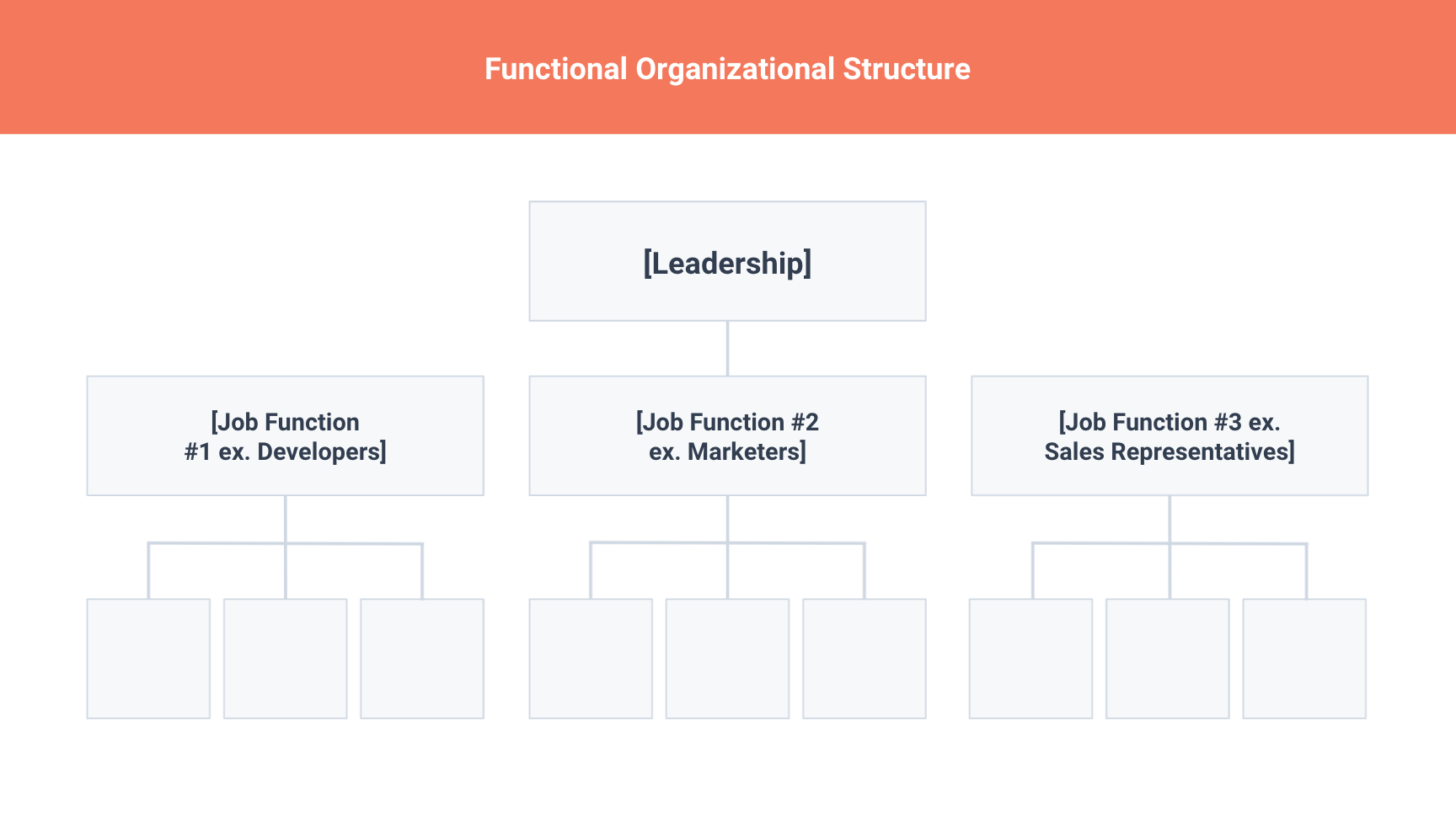
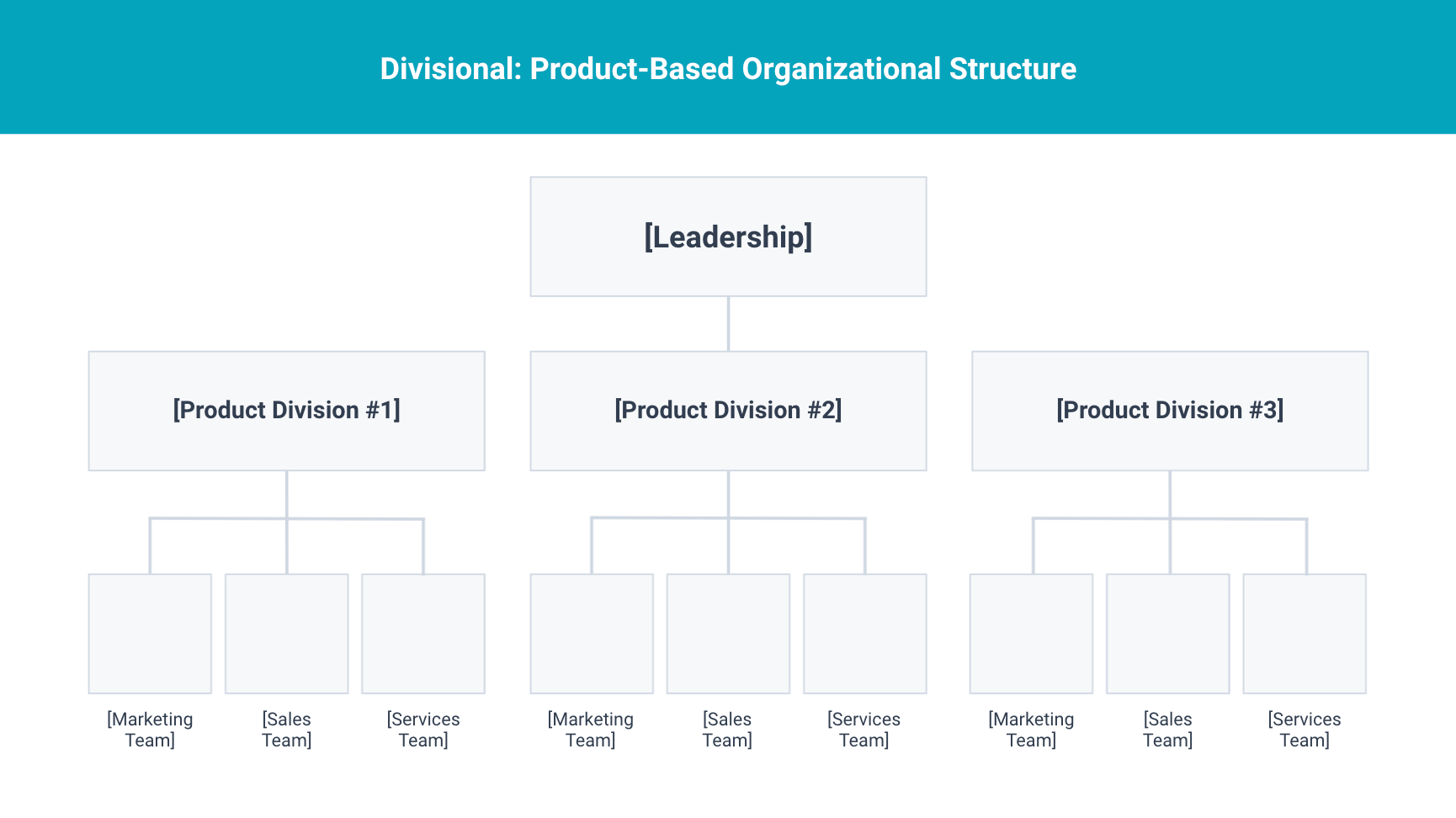
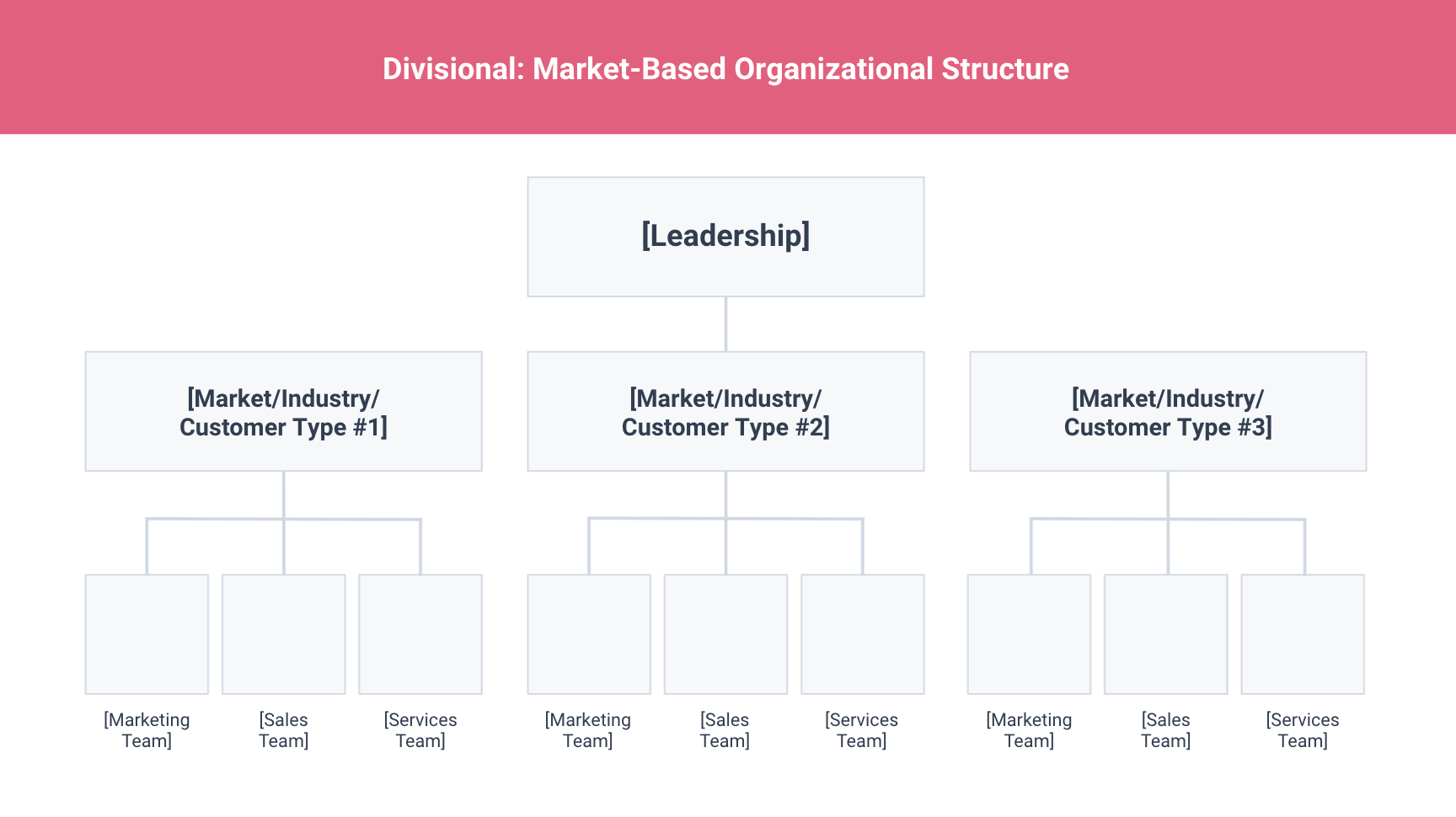
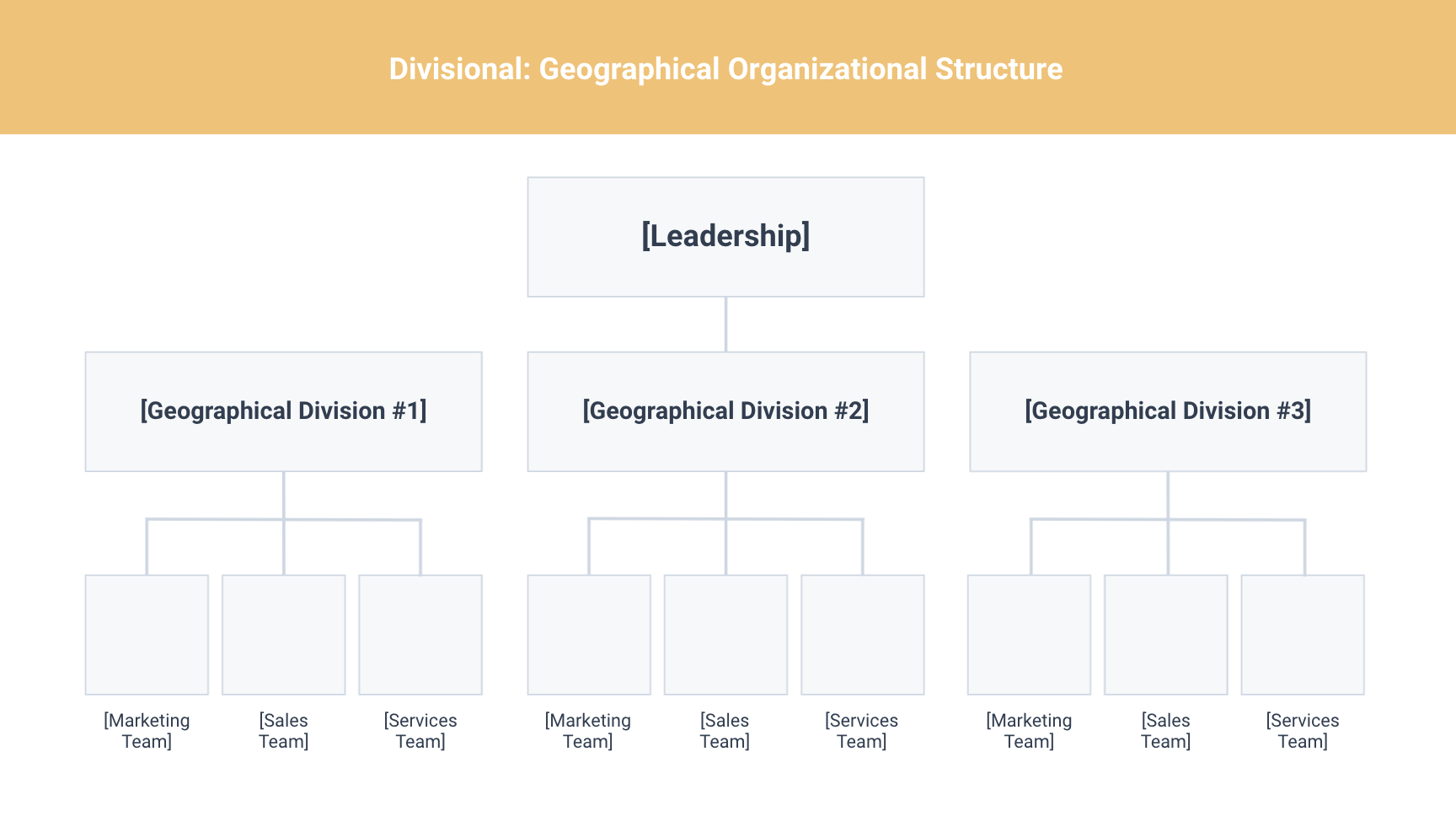
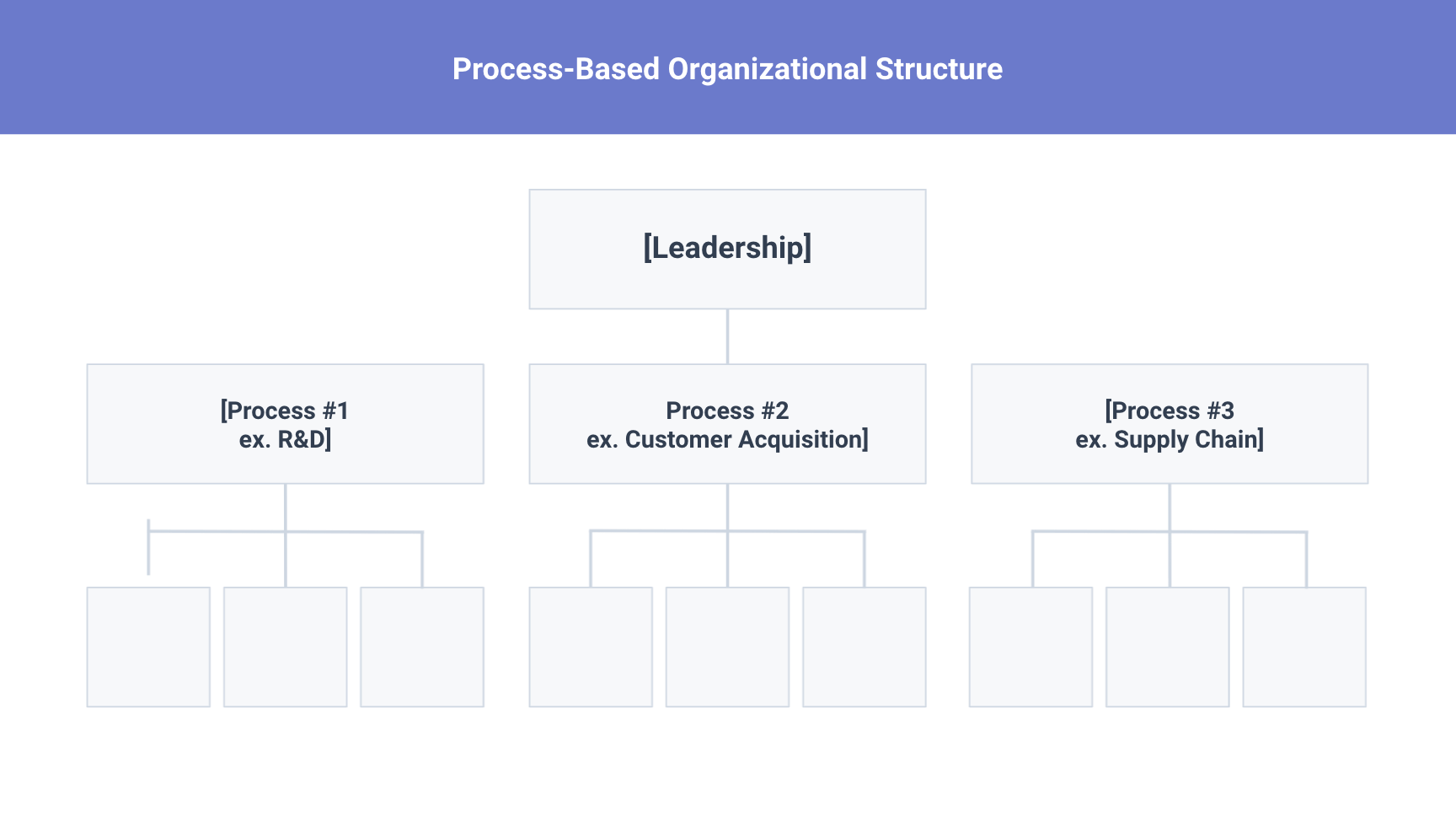
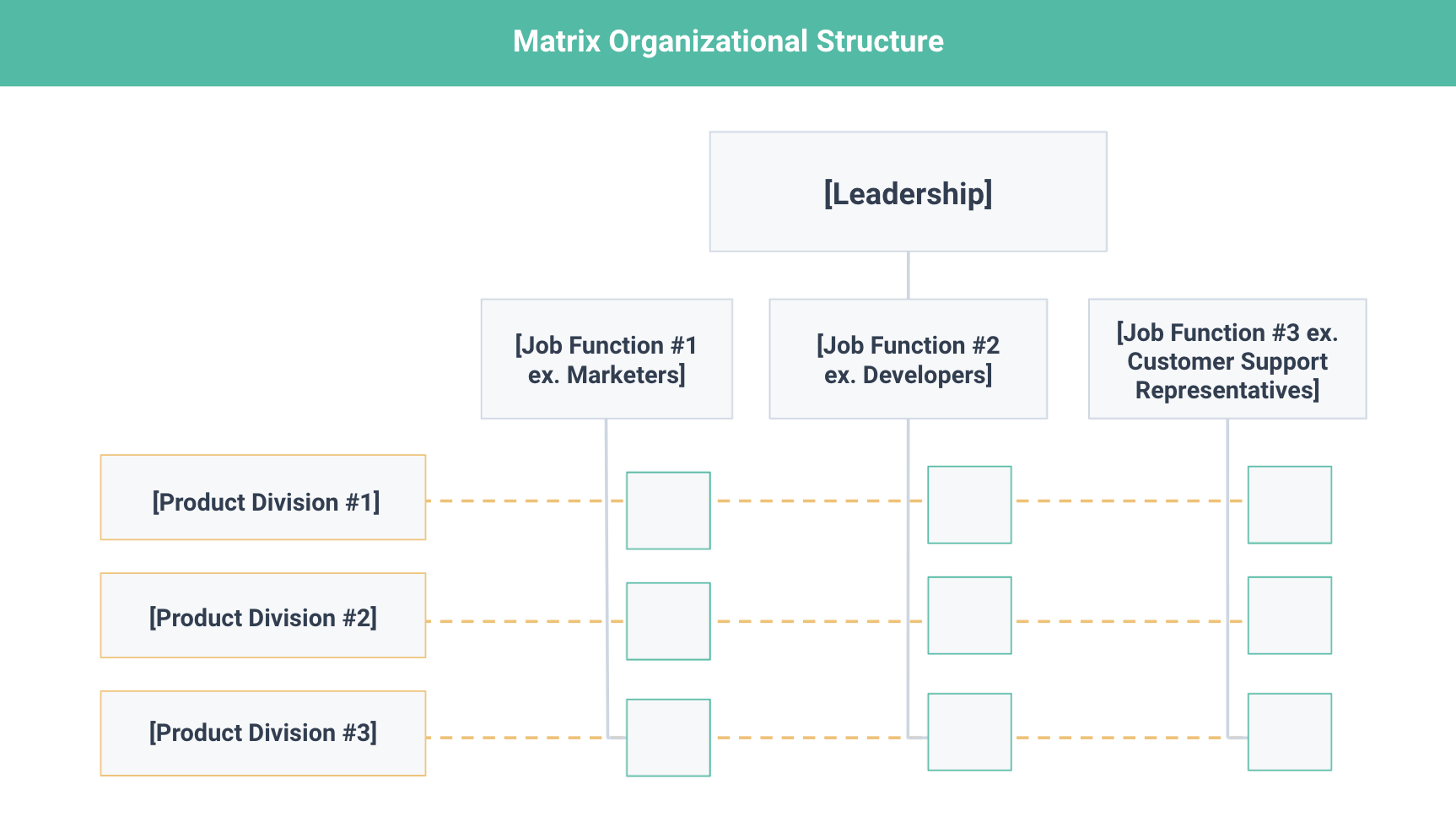
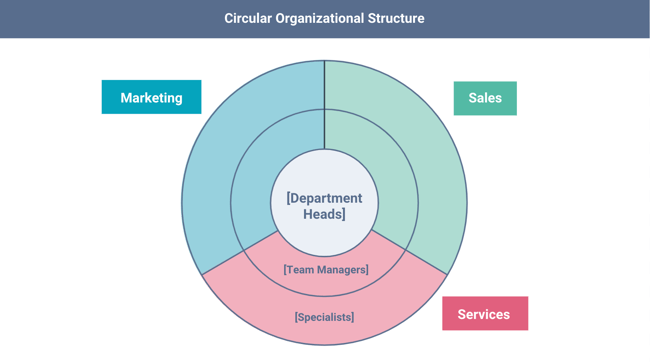
Choosing the best organizational structure for your company, division, or team is a lot like picking out a new motorcar. At the most basic level, you're ever looking for something road-worthy — something that can take you (and your passengers) from point A to point B without a hitch. But beyond that, there are a lot of options to consider. Automatic or manual? Iv-wheel drive or ii? Built-in GPS? Leather interior? Flux capacitor? (Only if you're going back in time, of course.) In the world of organizational structures, the options you have to cull from include things like chain of control (long or short?), bridge of control (wide or narrow?), and centralization (centralized or decentralized decision-making?), just to name a few. An organizational structure is a visual diagram of a company that describes what employees do, whom they report to, and how decisions are made across the business. Organizational structures tin can use functions, markets, products, geographies, or processes as their guide, and cater to businesses of specific sizes and industries. What'south the point of an organizational structure? Every bit a concern leader, do y'all fifty-fifty need one? As I said, org structures help you define at to the lowest degree iii key elements of how your business concern is going to run. As your visitor gets bigger, an organizational structure tin can too be helpful for new employees as they learn who manages what processes at your visitor. So, if you demand to pivot or shift your leadership, yous tin visualize how the work flows would work by adjusting your organizational structure diagrams. To put it merely, this nautical chart is like a map that only explains how your company works and how its roles are organized. Here's what each of those elements means to an organization: Your chain of control is how tasks are delegated and piece of work is canonical. An org structure allows y'all to define how many "rungs of the ladder" a item department or business organisation line should have. In other words, who tells whom to do what? And how are bug, requests, and proposals communicated up and down that ladder? Your span of control can represent two things: who falls under a manager's, well, management ... and which tasks autumn nether a department'due south responsibleness. Centralization describes where decisions are ultimately fabricated. Once you lot've established your chain of command, you'll need to consider which people and departments take a say in each decision. A business can lean toward centralized, where final decisions are fabricated by just 1 or two entities; or decentralized, where final decisions are fabricated within the team or section in charge of conveying out that decision. You might not need an org structure correct away, but the more products you lot develop and people you hire, the harder it'll exist to atomic number 82 your company without this crucial diagram. (To dive deeper into what all of these unlike organizational structure components are, cheque out my earlier mail, "The half dozen Building Blocks of Organizational Structure.") In this mail, we'll explore how y'all tin combine those components to form dissimilar types of organizational structures. We'll too highlight the benefits and drawbacks of dissimilar structure types so you tin can evaluate which is the all-time option for your company, division, or squad. Let's swoop in. Organizational structures fall on a spectrum, with "mechanistic" at one terminate and Take a wait at the diagram beneath. As you'll probably be able to tell, the mechanistic structure represents the traditional, summit-downwards approach to organizational construction, whereas the organic structure represents a more collaborative, flexible approach. Here's a breakdown of both ends of the structural spectrum, their advantages and disadvantages, and which types of businesses are suited for them. Mechanistic structures, also called bureaucratic structures, are known for having narrow spans of control, as well every bit high centralization, specialization, and formalization. They're as well quite rigid in what specific departments are designed and permitted to do for the company. This organizational structure is much more formal than organic structure, using specific standards and practices to govern every decision the business makes. And while this model does concord staff more accountable for their work, it can go a hindrance to the creativity and agility the system needs to continue upwardly with random changes in its market place. As daunting and inflexible as mechanistic structure sounds, the chain of command, whether long or short, is always articulate under this model. As a company grows, it needs to make certain everyone (and every team) knows what's expected of them. Teams collaborating with other teams every bit needed might help get a business organisation off the ground in its early stages, but sustaining that growth — with more people and projects to continue track of — volition eventually require some policymaking. In other words, go along mechanistic structure in your dorsum pocket ... you never know when you'll demand information technology. Organic structures (also known equally "flat" structures) are known for their wide spans of control, decentralization, low specialization, and loose departmentalization. What's that all hateful? This model might take multiple teams answering to one person and taking on projects based on their importance and what the squad is capable of — rather than what the team is designed to do. As you lot can probably tell, this organizational construction is much less formal than mechanistic, and takes a bit of an advertizing-hoc approach to business needs. This can sometimes make the chain of command, whether long or short, difficult to decipher. And as a result, leaders might give sure projects the green light more than chop-chop but cause confusion in a projection'southward sectionalization of labor. Nonetheless, the flexibility that an organic structure allows for can be extremely helpful to a business organization that's navigating a fast-moving industry, or simply trying to stabilize itself subsequently a crude quarter. Information technology too empowers employees to effort new things and develop every bit professionals, making the system'south workforce more powerful in the long run. Lesser line? Startups are ofttimes perfect for organic structure, since they're simply trying to gain make recognition and get their wheels off the ground. Now, let's uncover more specific types of organizational structures, most of which autumn on the more traditional, mechanistic side of the spectrum. Depending on the size of a concern and its goals, the organizational construction of the squad will vary. Each type has its advantages and disadvantages; even so, at that place is a universal benefit to establishing a clear organizational structure. It helps employees understand their function within a company, which enables them to manage expectations and goals. A business needs to have an organizational structure in place to be successful. There are several types of organizational structures commonly used by companies, 9 of which we expand upon below. One of the most common types of organizational structures, the functional construction departmentalizes an organization based on common job functions. An organisation with a functional org structure, for instance, would group all of the marketers together in one department, group all of the salespeople together in a separate department, and grouping all of the customer service people together in a third department. Download this Template The functional structure allows for a loftier caste of specialization for employees, and is easily scalable should the organization abound. Too this construction is mechanistic in nature — which has the potential to inhibit an employee'south growth — putting staff in skill-based departments can still allow them to delve deep into their field and find out what they're good at. Functional construction besides has the potential to create barriers between different functions — and it can be inefficient if the organisation has a variety of different products or target markets. The barriers created between departments can also limit peoples' knowledge of and communication with other departments, especially those that depend on other departments to succeed. Functional organisation increases efficiency, provides stability, and boosts accountability. It allows departments — with employees who share similar skills and knowledge — to focus on their specialized tasks inside their respective fields. Considering the roles and responsibilities of this organizational construction example rarely alter, department employees tin can consistently work on like assignments and hone their skills. The fixed structure of functional organization also operates through management. It provides employees with a chain of command. Information technology guides communication between the team and keeps the squad accountable. A divisional organizational structure is comprised of multiple, smaller functional structures (i.due east. each division within a divisional structure can have its own marketing squad, its own sales team, and so on). In this example — a product-based divisional structure — each division within the arrangement is dedicated to a detail production line. This type of construction is ideal for organizations with multiple products and can help shorten production development cycles. This allows pocket-size businesses to go to market place with new offerings fast. It tin be hard to scale nether a product-based divisional structure, and the organization could end up with duplicate resource equally different divisions strive to develop new offerings. Companies and their employees tin can experience the benefits of the product-based bounded structure. If ane partitioning performs poorly, this does not automatically translate beyond the organisation. Because of their separation, divisions may flourish (or fail) concurrently. This system allows companies to mitigate risk. Another diversity of the bounded organizational structure is the market-based structure, wherein the divisions of an organization are based effectually markets, industries, or customer types. The market-based structure is ideal for an arrangement that has products or services that are unique to specific market segments, and is particularly effective if that organization has advanced knowledge of those segments. This organizational structure besides keeps the business constantly aware of demand changes amongst its different audience segments. Besides much autonomy within each market-based team can pb to divisions developing systems that are incompatible with one another. Divisions might also stop up inadvertently duplicating activities that other divisions are already treatment. Considering this organizational construction focuses on specific market segments, it provides each segmentation with autonomy. The divisions work separately, which allows employees to work independently and enables them to focus on the needs of their particular industry. The geographical organizational structure establishes its divisions based on — you guessed information technology — geography. More specifically, the divisions of a geographical structure tin include territories, regions, or districts. This type of structure is best-suited to organizations that need to be near sources of supply and/or customers (e.g. for deliveries or for on-site support). It besides brings together many forms of business expertise, allowing each geographical division to make decisions from more diverse points of view. The main downside of a geographical org structure: Information technology can be easy for decision- making to become decentralized, as geographic divisions (which can be hundreds, if not thousands of miles away from corporate headquarters) frequently have a great bargain of autonomy. And when yous have more than one marketing department — one for each region — yous run the risk of creating campaigns that compete with (and weaken) other divisions across your digital channels. Geographical divisions allow companies the advantage of catering to a specific client. Based on the differences in language, culture, and customs one would find across the earth, companies cannot necessarily expect the same operations to work in different locations. Not simply does it permit organizations to tailor their arroyo based on geography, but information technology allows the sectionalization to react speedily and efficiently to any geographical market changes. Procedure-based organizational structures are designed around the stop-to-end flow of different processes, such as "Research & Development," "Customer Acquisition," and "Lodge Fulfillment." Unlike a strictly functional structure, a process-based structure considers non only the activities employees perform, but also how those unlike activities collaborate with one another. In order to fully sympathise the diagram below, you demand to wait at it from left to correct: The customer conquering process can't start until yous have a fully developed production to sell. By the same token, the social club fulfillment process tin't start until customers take been caused and there are product orders to fill. Process-based organizational construction is ideal for improving the speed and efficiency of a business, and is best-suited for those in rapidly irresolute industries, as information technology is easily adaptable. Similar to a few other structures on this list, procedure-based construction tin erect barriers between the different process groups. This leads to bug communicating and handing off work to other teams and employees. As mentioned, one of the most significant benefits of the procedure-based construction is that it increases efficiency and speed. If Department B cannot kickoff its processes until Department A finishes, this compels Department A to work promptly and proficiently. This organizational model too promotes intradepartmental (inside the department) and interdepartmental (across multiple departments) teamwork. Unlike the other structures we've looked at and then far, a matrix organizational structure doesn't follow the traditional, hierarchical model. Instead, all employees (represented by the green boxes) have dual reporting relationships. Typically, in that location is a functional reporting line (shown in blue) as well as a product- based reporting line (shown in yellow). When looking at a matrix structure org chart, solid lines correspond strong, direct-reporting relationships, whereas dotted lines bespeak that the relationship is secondary, or not equally strong. In our example below, it'due south clear that functional reporting takes precedence over product-based reporting. The main entreatment of the matrix structure is that it can provide both flexibility and more than balanced decision-making (as there are 2 chains of command instead of but one). Having a unmarried project overseen past more than one business organization line besides creates opportunities for these business lines to share resources and communicate more openly with each other — things they might not otherwise be able to exercise regularly. The principal pitfall of the matrix organizational structure? Complication. The more layers of approval employees have to become through, the more than confused they can be near who they're supposed to answer to. This confusion tin ultimately cause frustration over who has authority over which decisions and products — and who's responsible for those decisions when things get wrong. An advantage of a matrix construction is that information technology promotes collaboration and communication. This open line of communication ultimately allows businesses to share resources and allows employees to develop new skills from working with unlike departments. While it might appear drastically different from the other organizational structures highlighted in this section, the circular structure still relies on bureaucracy, with college-level employees occupying the inner rings of the circle and lower-level employees occupying the outer rings. That being said, the leaders or executives in a round organization aren't seen as sitting atop the system, sending directives downwards the concatenation of command. Instead, they're at the center of the system, spreading their vision outward. Download the Template From an ideological perspective, a circular structure is meant to promote advice and the costless flow of information between different parts of the organisation. Whereas a traditional structure shows different departments or divisions as occupying individual, semi-autonomous branches, the circular structure depicts all divisions as being part of the aforementioned whole. From a practical perspective, the circular structure can be confusing, especially for new employees. Unlike with a more traditional, top-down structure, a circular structure can make it hard for employees to figure out who they report to and how they're meant to fit into the arrangement. Virtually examples of organizational structure have a height-downwardly hierarchy. Alternatively, this type of construction follows an outward menstruum and contributes to data flowing freely across the business. Its benefits include keeping all employees aligned with the processes and goals of the visitor and encouraging employees to collaborate between departments. While a more than traditional organizational construction might look more than similar a pyramid — with multiple tiers of supervisors, managers and directors between staff and leadership, the apartment construction limits the levels of management and so all staff are only a few steps away from leadership. Information technology besides might not always take the course or a pyramid, or whatever shape for that matter. Every bit nosotros mentioned earlier, Information technology's also a grade of the "Organic Structure" we noted above. If there's a time when teams in a flat arrangement disagree on something, such equally a projection, it tin be hard to go aligned and back on track without executive decisions from a leader or director. Because of how complicated the structure's blueprint is, it tin can exist tricky to make up one's mind which manager an employee should go to if they need approval or an executive decision for something. And then if you practise choose to accept a flat organisation, y'all should have a clearly marked tier of direction or path that employers can refer to when they run into these scenarios. The elimination of middle management employees defines the apartment structure type. Its advantages are instantaneous. First, it reduces the expenses of the company. Second, it allows staff to build direct relationships with upper management. And lastly, it shortens the controlling process. A network structure is oftentimes created when one visitor works with some other to share resources — or if your company has multiple locations with different functions and leadership. Y'all might as well utilize this structure to explicate your company workflows if much of your staffing or services is outsourced to freelancers or multiple other businesses. The structure looks nearly the same as the Bounded Construction, shown above. However, instead of offices, information technology might list outsourced services or satellite locations outside of the office. If your company doesn't do everything nether one roof, this is a great way to show employees or stakeholders how outsourcing of off-site processes work. For instance, if an employee needs aid from a web developer for a blogging project and the company'south web developers are outsourced, the could wait at this type of nautical chart and know which office or which person to contact outside of their ain work location. The shape of the chart tin can vary based on how many companies or locations you're working with. If information technology's not kept simple and clear, there may be a lot of defoliation if multiple offices or freelancers do like things. If you lot practise outsource or have multiple function locations, make certain your org nautical chart conspicuously states where each specific role and job part lies so someone tin can hands empathise your basic company processes. The outsourcing nature of the network structure provides companies with the advantages of lower costs, more focus, and increased flexibility. Outsourcing allows organizations to save money, every bit they don't take to bear the expense of setting up a department for the same purpose. It besides gives companies the flexibility to change their processes and the ability to focus on their cadre functions. Imagine a business that has no organizational construction. Instantly, questions arise about the systems and processes. Who makes the decisions? How are employees held accountable? What are the company'south goals? These questions are practically incommunicable to answer without a functional organizational construction. Organizational structure is necessary for running a successful business considering information technology improves workflow and efficiency, promotes communication, identifies company needs, and aligns employees with company goals. It directly affects how a business operates daily. When a visitor establishes a structure that works, the combined efforts of its employees, in conjunction with its systems and processes, allow the company to make better decisions for its future. Organizational structures are cardinal to a successful team. Employees can move comfortably, confidently, and efficiently when given a clear definition of their office within an organization. Construction types will vary from concern to business, then it's important to call up that these structures are not one size fits all. Every type may not accommodate your organization, but chances are, 1 of them will. Apply this post to determine which organizational structure works for you, and so it's time for the real piece of work to begin. Editor's annotation: This post was originally published in December 2014 and has been updated for comprehensiveness. ![→ Download Now: The Illustrated Guide to Org Charts [Free Guide + Templates]](https://no-cache.hubspot.com/cta/default/53/7cbd0328-6c8c-40e0-98dd-c3b6e6be96f0.png)
Organizational Structure
Chain of Command
Bridge of Control
Centralization
Mechanistic vs. Organic Organizational Structures
"organic" at the other.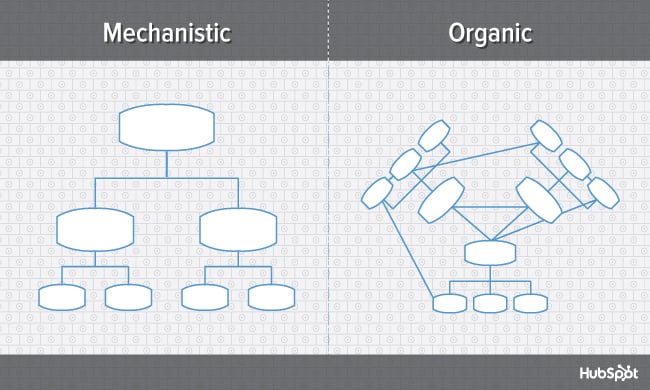
Mechanistic Structure
Organic Structure
Types of Organizational Construction
i. Functional Organizational Structure
Disadvantages
Advantages
2. Product-Based Bounded Structure
 Download this Template
Disadvantages
Advantages
3. Market place-Based Divisional Construction
 Download this Template
Disadvantages
Advantages
four. Geographical Divisional Structure
 Download this Template
Disadvantages
Advantages
5. Procedure-Based Structure
 Download the Template
Disadvantages
Advantages
6. Matrix Construction
 Download the Template
Disadvantages
Advantages
7. Circular Construction
Disadvantages
Advantages
viii. Flat Structure
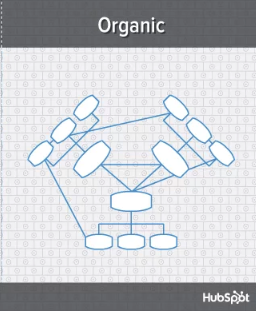 This structure is probably one of the near detailed, It's besides thought that employees can exist more than productive in an surround where in that location's less hierarchy-related pressures. This construction might also make staff feel like the managers they practise have are more than like equals or team members rather than intimidating superiors.
Disadvantages
Advantages
ix. Network Structure
Disadvantages
Advantages
Why is having an organizational structure important?
Navigating Organizational Structures

Originally published February xi, 2022 seven:00:00 AM, updated February 11 2022
Source: https://blog.hubspot.com/marketing/team-structure-diagrams
0 Response to "How Do You Know the Organizational Structure of Your Hospital"
Post a Comment